As respiratory illnesses surge across the nation, discover why disinfecting your smartphone and everyday items is critical for staying healthy this winter.
The 2025-2026 flu season is shaping up to be one of the most aggressive in recent memory. A new mutation of influenza A - the H3N2 subclade K variant - is sweeping across the United States, causing more intense symptoms and higher hospitalization rates than previous years. Combined with rising RSV (respiratory syncytial virus) cases, this winter presents a perfect storm of respiratory threats that demands proactive protection.
The H3N2 Subclade K: Why This Year's Flu Is Different
The World Health Organization has identified subclade K as a significant evolution in influenza A viruses. According to CDC surveillance data, nearly 90% of influenza A(H3N2) viruses collected since late September belong to this aggressive mutation.
What makes subclade K particularly concerning is its symptom intensity. Patients infected with this strain experience more severe fever, chills, headaches, fatigue, and respiratory symptoms compared to typical seasonal flu. Dr. Neil Maniar, a public health expert at Boston's Northeastern University, describes the current situation as a collision of lowered vaccination rates and a variant that appears inherently more aggressive - creating conditions where even healthy individuals can become seriously ill.
The geographic impact is striking. New York City leads the nation in respiratory illness activity, with the surrounding New York State, New Jersey, Rhode Island, Louisiana, and Colorado all reporting very high levels. Massachusetts, Connecticut, Michigan, Idaho, and South Carolina follow with high activity levels, while the Mid-Atlantic region continues to see significant case numbers.
RSV: The Other Respiratory Threat You Can't Ignore
While influenza dominates headlines, RSV poses an equally serious risk - particularly for children under five and older adults. The CDC reports that RSV activity is increasing across the Southeastern, Southern, and Mid-Atlantic regions, with emergency department visits and hospitalizations climbing among young children.
RSV is responsible for over 3.6 million hospitalizations globally each year and represents the leading cause of infant hospitalization in the United States. Unlike influenza, RSV infections can occur repeatedly throughout life, and the virus spreads efficiently through both respiratory droplets and contaminated surfaces.
Your Phone: A Hidden Reservoir for Respiratory Viruses
Here's a concerning fact most people overlook: your smartphone may be one of the dirtiest objects you touch every day. Research published in medical journals has found that approximately 10% of healthcare workers' phones carry viral pathogens, including influenza and RSV. And the pathogens found on mobile phones closely mirror those found on hands - meaning every time you check your messages, scroll social media, or take a call, you're potentially transferring viruses to and from your face.
The survival data is sobering. Influenza viruses can survive on hard, nonporous surfaces like phone screens for 24 to 48 hours. RSV remains viable on similar surfaces for 6 to 12 hours. Even after viral loads diminish, infectious particles can transfer from surfaces to hands for extended periods, creating ongoing transmission risk.
Consider your daily routine: you touch your phone hundreds of times, often immediately before or after touching your face, eating, or interacting with others. During respiratory virus season, this habit becomes a significant vulnerability.
Why UV-C Light Is the Gold Standard for Device Disinfection
UV-C light has been used for over a century to eliminate pathogens in medical and industrial settings. Unlike chemical disinfectants that can damage electronics and leave residue, UV-C works by damaging the genetic material of viruses and bacteria, preventing them from replicating and causing infection.
The science is clear: UV-C wavelengths between 200-280 nm effectively inactivate viruses including influenza, RSV, and coronaviruses. Studies have demonstrated that UV-C light can reduce pathogenic bacterial loads on phones by over 99% after just two disinfection cycles. The EPA has confirmed UV-C's effectiveness against SARS-CoV-2, and the same mechanism applies to other enveloped respiratory viruses.
What makes UV-C particularly valuable for personal electronics is its chemical-free nature. No moisture damage risks, no screen-damaging abrasives, no chemical residue near your face. Just powerful, proven disinfection in seconds.
UVCeed: Professional-Grade Protection That Fits Your Life
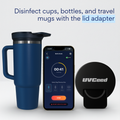
The UVCeed MagSafe UV-C Disinfection Device brings hospital-grade sanitization technology to your everyday life. Designed specifically for the modern smartphone user, this compact device delivers powerful UV-C disinfection with the convenience your busy schedule demands.
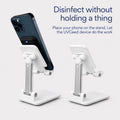
Unlike wipes that require constant repurchasing and can scratch delicate screens, or spray disinfectants that risk moisture damage, UVCeed provides consistent, thorough disinfection every time. The MagSafe compatibility means seamless integration with your iPhone - no fumbling with cases or alignment issues. Simply attach, activate, and trust that your device is being properly sanitized.
During a flu season defined by an aggressive variant and rising RSV cases, having a reliable disinfection routine isn't optional - it's essential. Whether you're a parent protecting young children from RSV, an employee navigating cold and flu season at the office, or simply someone who values staying healthy, UVCeed provides peace of mind that chemical wipes simply cannot match.
Practical Steps for Respiratory Virus Protection
Vaccination remains the foundation of flu prevention, though experts note this year's vaccine may not perfectly match the subclade K variant. This makes complementary protective measures even more important:
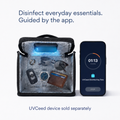
Clean what you touch most frequently. Your phone, keys, credit cards, and earbuds travel everywhere with you and contact your face regularly. Make UV-C disinfection part of your daily routine - ideally after returning home from public spaces.
Mind the timing. Respiratory viruses can survive on surfaces for hours. Disinfecting immediately after exposure to high-risk environments (public transit, offices, healthcare settings, schools) reduces transmission windows significantly.
Protect vulnerable family members. Young children and older adults face higher risks from both influenza and RSV. Keeping frequently-touched household items sanitized adds a layer of protection for those most susceptible to severe illness.
Stay consistent. The most effective disinfection routine is one you actually follow. UV-C devices like UVCeed make consistency effortless - quick, effective, and always ready when you need it.
The Bottom Line
The 2025-2026 respiratory virus season presents unique challenges: an aggressive flu variant, rising RSV activity, and the reality that modern life keeps us connected to germ-carrying devices throughout the day. While vaccines and basic hygiene remain essential, adding UV-C disinfection to your protective arsenal addresses a often-overlooked transmission pathway.
Your smartphone doesn't have to be a liability this flu season. With UVCeed's MagSafe UV-C technology, you can confidently use your devices knowing they're clean, safe, and ready to keep you connected - without keeping you sick.
Protect yourself and your family this flu season. Learn more about UVCeed's UV-C disinfection technology and how it can fit into your healthy living routine.
Want More Articles Like This?
Get research on UV-C treatment and product updates delivered to your inbox.