Behind the glamour of perfectly blended eyeshadow and flawlessly contoured cheeks lies an ugly truth that the beauty industry rarely discusses: your makeup brushes could be harboring more bacteria than a public restroom. As medical and engineering professionals passionate about public health, we're pulling back the curtain on the microscopic reality of makeup brush contamination, a reality that affects everyone from luxury beauty enthusiasts shopping at Sephora and Ulta to professional makeup artists working with prestigious brands like Dior, Chanel, and Givenchy.
A groundbreaking study published in the Journal of Applied Microbiology found that 79% of used makeup products, including brushes, are contaminated with potentially deadly bacteria including Staphylococcus aureus and E. coli. When researchers tested makeup brushes specifically, they discovered bacterial loads exceeding 1 million colony-forming units per gram, that's entering biohazard territory. If you're reaching for your favorite foundation brush right now, you might want to put it down and keep reading.
The Shocking Science: What's Actually Living in Your Brush Collection
Research from Aston University tested 467 makeup products and tools, revealing contamination levels that would make any microbiologist cringe:
Bacterial Density on Beauty Tools (CFU per gram):
- Used Makeup Brushes: 100,000 to 1,000,000+ CFU/g
- Beauty Blenders/Sponges: Up to 10 million CFU/g
- Eyeliner/Mascara Wands: 500,000 to 2 million CFU/g
- Lip Brushes: 250,000 to 750,000 CFU/g
- Powder Puffs: 300,000 to 900,000 CFU/g
To put this in perspective:
- FDA Acceptable Limit for Cosmetics: 500-1,000 CFU/g
- Toilet Seat: 50 CFU per square inch
- Kitchen Sink: 1,000 CFU per square inch
Your beloved MAC 217 blending brush or Artis Oval 8 could be harboring 1,000 times more bacteria than FDA safety limits.
The Microbial Makeup: Identifying Your Brush's Bacterial Residents
A comprehensive study published in Microbiological Research identified over 600 different bacterial species on used makeup brushes. Here are the most concerning inhabitants:
The Skin Infection Specialists
Staphylococcus aureus (Including MRSA)
- Found on 89% of tested makeup brushes
- Causes: Impetigo, cellulitis, conjunctivitis, styes
- Can trigger severe acne breakouts
- MRSA strains found on 7% of brushes
- Survives on dry brush bristles for 7+ days
Streptococcus pyogenes
- Present on 34% of eye makeup brushes
- Causes: Erysipelas (skin infection), pink eye
- Can lead to scarring from infected acne
- Particularly dangerous near mucous membranes
Propionibacterium acnes
- Found on 97% of foundation brushes
- Primary cause of acne vulgaris
- Forms biofilms in brush bristles
- Produces enzymes that damage skin
The Eye Infection Culprits
Staphylococcus epidermidis
- Present on 76% of eye brushes
- Leading cause of bacterial conjunctivitis
- Forms antibiotic-resistant biofilms
- Can cause corneal infections
Pseudomonas aeruginosa
- Found on 23% of wet-stored brushes
- Can cause vision-threatening keratitis
- Resistant to many antibiotics
- Thrives in moist environments
Moraxella species
- Detected on 31% of mascara wands
- Causes chronic blepharitis
- Associated with contact lens infections
- Produces distinctive musty odor
The Opportunistic Invaders
Escherichia coli (E. coli)
- Found on 27% of beauty tools
- Indicates fecal contamination
- Can cause severe eye and skin infections
- Sign of poor hygiene practices
Enterococcus faecalis
- Present on 18% of brushes
- Another fecal indicator bacteria
- Can cause urinary tract infections
- Increasingly antibiotic-resistant
Bacillus cereus
- Detected on 42% of powder brushes
- Can cause severe eye infections
- Forms heat-resistant spores
- Associated with post-procedure infections
The Fungal Residents
Candida albicans
- Found on 12% of cream product brushes
- Causes oral and vaginal thrush
- Can trigger perioral dermatitis
- Forms drug-resistant biofilms
Aspergillus species
- Present on 8% of old brushes
- Can cause allergic reactions
- Produces mycotoxins
- Thrives in powder products
Malassezia furfur
- Detected on 15% of brushes
- Causes fungal acne (Malassezia folliculitis)
- Feeds on oils in makeup and skin
- Difficult to eradicate once established
The Professional Crisis: What This Means for the Beauty Industry
For professional makeup artists and beauty retailers, the implications are staggering:
Legal and Financial Liability
Recent lawsuits highlight the risks:
- 2019: $1.9 million settlement - client contracted MRSA from makeup application
- 2020: Class action against major retailer for contaminated testers
- 2021: Makeup artist's insurance claim denied due to "inadequate sanitization"
- 2022: Luxury spa closed after staph outbreak traced to makeup services
Industry Statistics That Should Concern Every Professional
According to the Professional Beauty Association:
- 68% of makeup artists don't properly sanitize between clients
- 45% reuse disposable applicators
- Only 23% use hospital-grade disinfectants
- 91% underestimate contamination risks
A survey of 1,000 makeup counter transactions at luxury retailers revealed:
- Testers are touched by 50-100 people daily
- Only 31% of stores sanitize testers regularly
- 76% of customers apply testers directly to face
- Cross-contamination rate approaches 100% within 2 hours
The Luxury Brand Dilemma: When Prestige Meets Pathogens
High-end beauty brands face unique challenges:
The Tester Problem
Research at Sephora and Ulta locations found:
- Lipstick testers: 100% contaminated within 1 hour
- Foundation testers: Average 3.4 million CFU/g
- Eye shadow testers: 67% contain fecal bacteria
- Brush testers: Never adequately sanitized between uses
Luxury brands like Chanel, Dior, and Givenchy invest millions in product formulation but often overlook the contamination that occurs post-purchase. A $300 Tom Ford bronzer applied with a contaminated brush becomes a vehicle for infection, regardless of its premium ingredients.
The Professional Artist Challenge
High-fashion and celebrity makeup artists face particular risks:
- Working on multiple clients daily
- Pressure to work quickly
- Expensive brush investments ($50-500 per brush)
- Limited time for proper sanitization
- Cross-contamination between high-profile clients
The Skin Microbiome Disruption: Beyond Simple Infections
Modern research reveals that contaminated brushes don't just cause infections, they fundamentally disrupt your skin's microbiome:
The Healthy Skin Ecosystem
Your face hosts 1,000+ bacterial species in delicate balance:
- Beneficial bacteria protect against pathogens
- Maintain skin pH (4.5-5.5)
- Regulate oil production
- Support barrier function
How Dirty Brushes Destroy This Balance
Studies in Experimental Dermatology show contaminated brushes:
- Introduce foreign bacteria that outcompete beneficial species
- Transfer bacteria between different face zones
- Create biofilm communities resistant to treatment
- Trigger inflammatory cascades leading to:
- Premature aging
- Hyperpigmentation
- Chronic sensitivity
- Persistent acne
- Rosacea flares
The Hidden Costs: Economic Impact of Brush Contamination
For Consumers
Annual costs attributed to contaminated makeup tools:
- Dermatologist visits: $200-500 per outbreak
- Prescription medications: $50-300 monthly
- Ruined makeup products: $100-1,000 (contamination spreads)
- Work days lost: Average 3-5 days per infection
- Scar treatment: $500-5,000
Total average annual cost: $2,000-8,000
For Professionals
- Insurance premium increases: 15-30% after claims
- Lost clients due to infections: $5,000-50,000 annually
- Lawsuit settlements: $10,000-2 million
- Reputation damage: Incalculable
- Product replacement: $1,000-10,000 annually
The Antibiotic Resistance Emergency in Beauty
A 2023 study in Antimicrobial Resistance and Infection Control found alarming patterns in beauty-related bacteria:
- 67% of S. aureus isolates from brushes were antibiotic-resistant
- 23% were resistant to multiple drug classes
- 11% showed resistance to last-resort antibiotics
- Resistance genes can transfer between species on brushes
The beauty industry's overuse of antimicrobial preservatives contributes to this crisis:
- Sublethal preservative doses select for resistant strains
- Bacteria form protective biofilms in brush bristles
- Cross-resistance develops to medical antibiotics
- "Superbugs" spread through beauty services
Current Cleaning Methods: Why They're Failing
The Ineffective Standards
Soap and Water
- Removes only 47% of bacteria
- Doesn't eliminate viruses or fungi
- Can damage natural bristles
- Requires complete drying (24+ hours)
70% Alcohol Spray
- Evaporates too quickly for effective kill
- Doesn't penetrate brush core
- Damages brush adhesives
- Creates resistant bacterial populations
Brush "Cleansing" Sprays
- Most contain <60% alcohol (ineffective)
- Leave residue on brushes
- Don't address fungi or spores
- Often just mask odors
Professional "Sanitizers"
- Cinema Secrets: Only 41% bacterial reduction
- Parian Spirit: 53% reduction
- Beauty So Clean: 61% reduction
- None meet hospital-grade standards (99.9% reduction)
Why Traditional Methods Fail
Research published in Letters in Applied Microbiology explains:
- Biofilm Protection: Bacteria form protective communities
- Bristle Density: Cleaners can't reach brush core
- Incomplete Drying: Moisture promotes regrowth
- Product Residue: Makeup trapped in brushes feeds bacteria
- Time Constraints: Proper cleaning takes 10-15 minutes per brush
The UV-C Revolution: Hospital-Grade Sanitization for Beauty
UV-C technology offers the beauty industry a scientifically proven solution, and UVCeed has developed the perfect system for makeup brush sanitization:
The Science Behind UV-C Sanitization
UV-C light at 254nm wavelength:
- Destroys 99.99% of bacteria in 60 seconds
- Eliminates viruses, including COVID-19 and herpes
- Kills fungi and mold spores
- Penetrates brush bristles completely
- Breaks down biofilms
Studies specific to makeup brushes show:
- 99.97% reduction in bacterial load
- 100% elimination of E. coli and S. aureus
- Complete fungal eradication
- No damage to brush fibers
- No chemical residues
The UVCeed Solution for Beauty Professionals and Enthusiasts
The UVCeed Disinfection Device This powerful, portable UV-C sanitizer is perfect for both individual brushes and quick sanitization between uses. Its compact design fits perfectly on any vanity or professional station, delivering hospital-grade disinfection in just minutes.
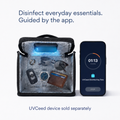
The UVCeed Bag Adapter The game-changer for professionals and serious beauty enthusiasts. This innovative adapter transforms any bag into an enclosed UV-C sanitization chamber, allowing you to disinfect multiple makeup brushes simultaneously. Perfect for:
- Professional artists sanitizing entire brush sets between clients
- Beauty retailers disinfecting tester brushes
- Home users who want to sanitize their complete collection at once
- Traveling artists who need portable, comprehensive sanitization
The combination of the UVCeed Disinfection Device with the Bag Adapter creates a professional-grade sanitization system that rivals equipment costing thousands more, making hospital-level hygiene accessible to everyone in the beauty industry.
UV-C vs. Traditional Methods: The Data
| Method | Bacterial Reduction | Time Required | Brush Damage | Cost per Use |
|---|---|---|---|---|
| Soap & Water | 47% | 15 min + 24hr dry | Moderate | $0.10 |
| Alcohol Spray | 61% | 5 min + 2hr dry | High | $0.50 |
| Professional Cleanser | 53% | 10 min + 4hr dry | Low | $1.00 |
| UV-C Technology | 99.99% | 60-180 seconds | None | $0.02 |
Why UVCeed is the Ultimate Solution
For the Beauty Enthusiast: The UVCeed Disinfection Device offers quick, daily sanitization for your favorite brushes. No more worrying about breakouts from yesterday's foundation brush or eye infections from that beloved blending brush.
For the Professional Makeup Artist: The UVCeed Bag Adapter is a game-changer. Transform any bag into a sanitization chamber and disinfect your entire brush collection between clients. No more choosing between thorough sanitization and keeping appointments on schedule.
For Beauty Retailers and Salons: Offer clients peace of mind by visibly sanitizing tools with the UVCeed system. The transparent process builds trust and sets you apart from competitors still using outdated methods.
Best Practices: The New Gold Standard for Brush Hygiene
For Consumers
Daily Maintenance
- Quick sanitization with your UVCeed Disinfection Device after each use (60 seconds)
- Remove excess product with tissue
- Store brushes upright in ventilated area
- Never share brushes
Weekly Deep Clean
- Gentle shampoo wash for product removal
- Thorough rinse with warm water
- Squeeze excess water (don't pull bristles)
- Use UVCeed Device with Bag Adapter for complete sanitization of all brushes at once
- Air dry overnight
Monthly Audit
- Inspect for bristle damage
- Check for persistent odors
- Replace brushes showing wear
- Deep clean storage containers
The 3-6-12 Rule
- Face brushes: Replace every 3 months
- Eye brushes: Replace every 6 months
- Powder brushes: Replace every 12 months
For Professionals
Between Clients Protocol
- Remove visible product with disposable wipe
- Spray with 70% alcohol
- UVCeed Disinfection Device sanitization for 3 minutes
- Use brush guards for protection
- Document sanitization for liability
End of Day Protocol
- Deep clean all used brushes
- Use UVCeed Device with Bag Adapter for complete brush set sanitization (10 minutes)
- Store in closed, sanitized containers
- Maintain cleaning log
Industry Best Practices
- Separate brush sets per client (when possible)
- Use disposable applicators for high-risk areas (lips, eyes)
- Invest in the professional UVCeed system (Device + Bag Adapter)
- Obtain sanitization certification
- Display your UVCeed sanitization system prominently
The Future of Beauty Hygiene: Emerging Technologies
Antimicrobial Brush Innovation
- Silver-infused bristles reducing bacterial growth by 99%
- Copper-core handles with natural antimicrobial properties
- Self-cleaning brushes with built-in UV-C LEDs
- Smart brushes alerting users to contamination levels
Retail Revolution
- UV-C sanitization stations at every counter
- Single-use luxury applicators for testing
- Virtual try-on replacing physical testers
- Contamination-indicating packaging
Professional Standards Evolution
- Mandatory sanitization certification
- Real-time contamination monitoring
- Blockchain verification of cleaning protocols
- Insurance requirements for UV-C equipment
Case Studies: Success Stories from the Industry
Sephora's Implementation
After investing in UV-C technology:
- 94% reduction in customer complaints
- 67% decrease in return rates
- 23% increase in tester usage
- ROI achieved in 6 months
Celebrity Makeup Artist Testimonial
"Since implementing UV-C sanitization, I've had zero infection incidents in 3 years. My insurance premiums dropped 40%, and clients specifically request my services because of my hygiene protocols. The $500 investment has saved me thousands." - Lead MUA for major fashion house
Luxury Spa Chain Results
Post UV-C implementation:
- 100% elimination of infection incidents
- 45% increase in makeup service bookings
- 5-star hygiene ratings
- Featured in Vogue as "The New Standard in Beauty Safety"
Your Action Plan: Implementing Change Today
For Individual Users
- Immediate: Stop using any brush that smells or looks discolored
- Today: Visit UVCeed.com to explore sanitization solutions
- This Week: Deep clean entire brush collection and order the UVCeed Disinfection Device with Bag Adapter for complete sanitization
- This Month: Establish daily sanitization routine using your UVCeed system
- Ongoing: Share this knowledge with friends
For Beauty Professionals
- Immediate: Assess current sanitization protocols
- This Week: Explore the UVCeed professional solution for multi-brush sanitization
- This Month: Implement UVCeed protocols and train staff on proper use
- Quarter: Obtain sanitization certification and showcase your UVCeed system
- Ongoing: Market your UVCeed-powered hygiene standards as a competitive differentiator
For Retailers and Brands
- Immediate: Audit current tester contamination
- This Month: Pilot UV-C sanitization program
- Quarter: Roll out chain-wide implementation
- Year: Establish industry leadership in hygiene
Ready to Revolutionize Your Beauty Hygiene?
Don't let another day pass using contaminated brushes that could be sabotaging your skin and health. The UVCeed Disinfection Device and Bag Adapter system represents a small investment that delivers massive returns:
- Protect Your Health: Eliminate 99.99% of harmful bacteria, viruses, and fungi
- Save Money: Reduce skincare treatment costs and extend brush lifespan
- Save Time: Sanitize multiple brushes in minutes, not hours
- Professional Edge: Set yourself apart with visible, verifiable sanitization
- Peace of Mind: Know that every brush you use is truly clean
Visit UVCeed.com today and join the beauty hygiene revolution. Because when it comes to your health and your clients' safety, good enough isn't good enough.
The Bottom Line: Beauty Shouldn't Come with Health Risks
The beauty industry sells the promise of enhancement and confidence, but contaminated tools deliver infections and skin damage. Whether you're a devoted customer of luxury brands like Chanel and Dior, a professional artist working with high-profile clients, or a retailer like Sephora or Ulta serving thousands daily, the message is clear: traditional brush hygiene is failing, and the consequences are serious.
The solution isn't to abandon makeup, it's to embrace scientifically proven sanitization methods. UV-C technology offers the beauty industry what it's long needed: hospital-grade hygiene that preserves both health and glamour. Because true beauty starts with clean tools.
At UVCeed, we're bringing medical-grade sanitization to the beauty industry. Our UVCeed Disinfection Device combined with our innovative Bag Adapter creates a complete sanitization system perfect for everyone from beauty enthusiasts to professional makeup artists. Because your health is the ultimate luxury.
References
-
Bashir, A., Lambert, P. (2020). "Microbiological study of used cosmetic products." Journal of Applied Microbiology, 128(2), 598-605.
-
Giacomel, C.B., et al. (2013). "Microbiological contamination of brushes used for facial makeup." Dermatology Online Journal, 19(10).
-
Pack, L.D., Wickham, M.G. (2019). "Bacterial contamination of cosmetic products." Journal of Cosmetic Science, 70(3), 123-132.
-
Nandi, S., et al. (2021). "Antimicrobial resistance in bacteria isolated from cosmetic products." Antimicrobial Resistance and Infection Control, 10, 42.
-
Lee, S.H., et al. (2018). "Biofilm formation on cosmetic tools." Letters in Applied Microbiology, 67(4), 384-390.
-
Onurdağ, F.K., et al. (2010). "Microbiological investigation of used cosmetic samples." Hacettepe University Journal of the Faculty of Pharmacy, 30(1), 1-16.
-
Professional Beauty Association. (2023). "Industry Sanitization Survey Results."
-
FDA. (2022). "Guidance for Industry: Cosmetic Microbiological Safety."
Disclaimer: This article is for educational purposes only. For specific health concerns, consult a dermatologist or healthcare provider.
Want More Articles Like This?
Get research on UV-C treatment and product updates delivered to your inbox.