TL;DR
- Shared e-scooter and bike-share handlebars are touched by hundreds of hands per day and rarely cleaned between rides.
- Studies of shared micromobility surfaces have documented Staph, E. coli, and fecal coliforms on grips.
- A UV-C session on your gloves, phone, and helmet strap after your ride closes the loop.
Why This Matters Now
Micromobility ridership hit record highs in North American cities in 2025, per NACTO's Shared Micromobility Snapshot. Source: NACTO Shared Micromobility.
Operators generally do not clean grips between rides. That means the last rider's hands are on your hands.
What's on a Shared Handlebar
Independent swab studies of shared bikes and scooters have consistently returned:
- Staphylococcus species (including MRSA in some samples).
- Fecal coliforms.
- Rhinovirus and influenza RNA during respiratory season.
CDC guidance on shared surfaces: CDC Cleaning and Disinfecting Facilities.
Post-Ride Routine
- Sanitize your hands before touching your face or phone.
- Run a UV-C session on your phone.
- Run a UV-C session on your helmet strap.
- Run a UV-C session on your gloves and keys.
Where UVCeed Fits
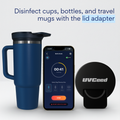
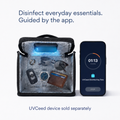
UVCeed uses 254nm UV-C in short, held sessions - you aim it and hold it steady until the app confirms the section is complete, then move to the next section for anything larger than the coverage area. Source: UVCeed.
MagSafe or USB-C, machine-vision auto-shutoff, no chemicals, no residue.
FAQ
Should I bring my own grips? Not practical. A 60-second session on the things that touched the grip - your phone, your keys, your gloves - is the practical closure.
Do operators disinfect overnight? Some do a wipe at charging. Grips are not the priority; batteries and brakes are. Assume it did not happen.
The Bottom Line
Ride the scooter. Just don't bring the last rider home with you.
Want More Articles Like This?
Get research on UV-C treatment and product updates delivered to your inbox.