The Silent Threat: Understanding the 2026 Andes Virus Outbreak
In recent weeks, global health headlines have been dominated by a cluster of severe respiratory illnesses linked to the MV Hondius cruise ship. What was initially a localized concern in the South Atlantic has turned into a multi-country investigation involving the World Health Organization (WHO) and the CDC.
The culprit? Andes virus, a particularly dangerous strain of Hantavirus.
While Hantaviruses are typically spread from rodents to humans, the Andes strain is unique - and more concerning - because it is the only known Hantavirus capable of human-to-human transmission. With a case fatality rate hovering near 38%, the current outbreak has many asking: How do we stay safe in an increasingly mobile world?
How Andes Virus Spreads
Typically, Hantavirus Pulmonary Syndrome (HPS) is contracted through the inhalation of aerosolized particles from rodent droppings or saliva. However, the 2026 cases have highlighted the risks of close contact and contaminated surfaces in enclosed environments like ships, planes, and hotels.
Common symptoms to watch for include:
- High fever and muscle aches (especially in the thighs, back, and shoulders).
- Gastrointestinal distress (nausea, vomiting, diarrhea).
- Rapid progression to shortness of breath or coughing.
Prevention: Beyond Just Hand Washing
Health officials emphasize that "standard precautions" aren't always enough when dealing with hardy viruses like Hantavirus. While avoiding contact with rodents is the first step, disinfecting the environments we share is the second.
This is where traditional cleaning often fails. Chemical wipes require surfaces to stay wet for up to 10 minutes to be effective—a luxury most travelers and busy parents don't have. Furthermore, you can’t always see if a wipe actually killed the pathogen.
The UVCeed Solution: Hospital-Grade Protection in Your Pocket
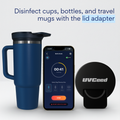
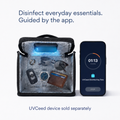
At UVCeed, we designed our smart disinfection device to handle exactly these kinds of high-stakes environments. Using the same 256nm UV-C LED technology found in hospitals, UVCeed eliminates up to 99.99%* of germs - including complex viruses - in as little as 30 seconds.
Why UVCeed is different:
-
Visual Verification: Through our patented app, you can see exactly where you’ve disinfected in real-time. No more guessing.
-
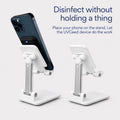
Portability: It clips directly to your phone, making it the perfect companion for airplanes, rental cars, and hotel rooms.
-
Chemical-Free: Safe to use on electronics, food surfaces, and baby gear without leaving toxic residues.
(Note: As you scroll, you’ll see our floating product card below. You can click there to see the UVCeed in action and learn more about our EPA-registered technology.)
Practical Steps to Stay Safe Today
- Sanitize High-Touch Surfaces: Focus on "the big five": phones, door handles, tray tables, remote controls, and light switches.
- Ventilate Your Space: If you are staying in a new environment, ensure good airflow to reduce the risk of aerosolized particles.
- Monitor Your Health: If you have traveled recently and developed a fever, contact a healthcare provider immediately and mention your travel history.
Final Thoughts
The 2026 Andes virus outbreak is a sobering reminder that we live in an interconnected world where "rare" viruses can travel fast. By combining situational awareness with the right technology, you can take control of your environment and protect what matters most.
Stay safe, stay smart, and stay UVCeed protected.
Disclaimer: UVCeed is a disinfection tool and should be used as part of a comprehensive hygiene routine. Always follow CDC and WHO guidelines regarding viral outbreaks.
Want More Articles Like This?
Get research on UV-C treatment and product updates delivered to your inbox.