I have owned the same stainless steel water bottle for about two years. I rinse it every morning, refill it at the kitchen sink, and take it everywhere. In my head, that counted as clean. The bottle looked fine, the water tasted fine, and I never once stopped to think about the cap.
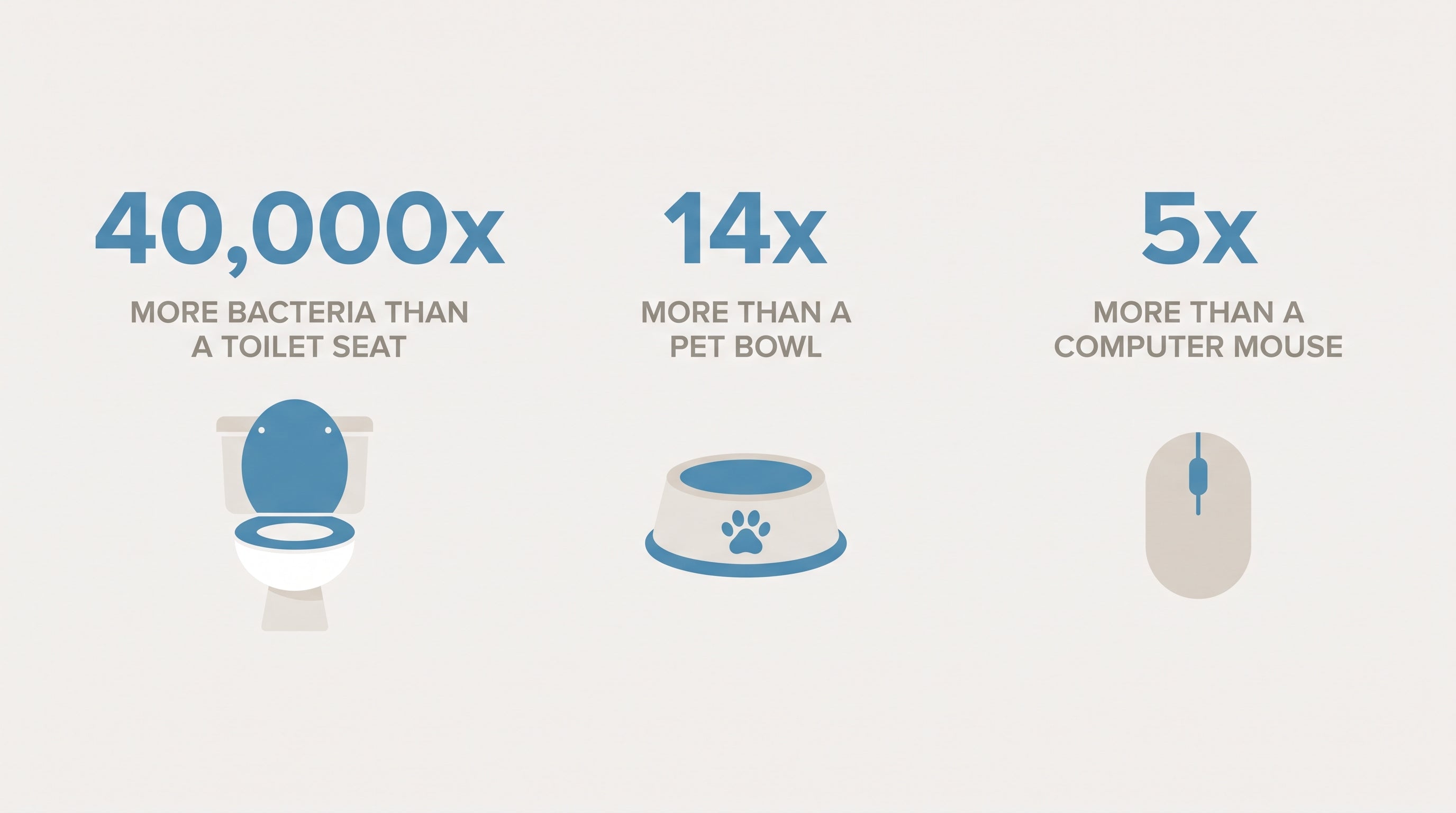
Then I read a comparison that stuck with me. Researchers had measured the bacteria on reusable water bottles against the things I already considered dirty, and a reusable bottle carried roughly five times the bacteria of a computer mouse, about fourteen times that of a pet bowl, and about forty thousand times that of a toilet seat. I put my phone down and looked at my own bottle, which was sitting on my desk with the cap still on from the day before.
The numbers that made me look at my own bottle
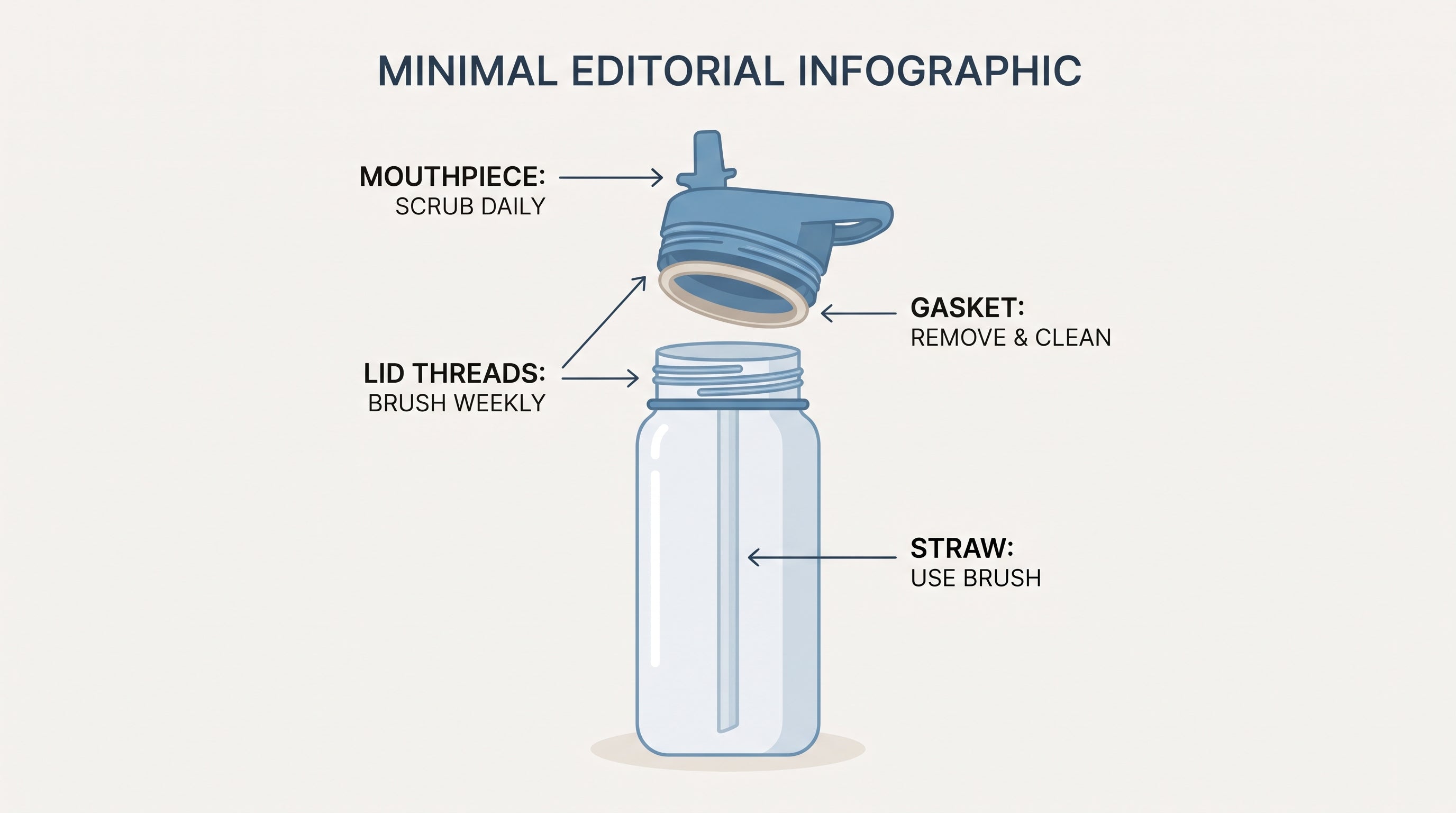
The part that got me was not that a bottle carries bacteria. It is that the dirtiest spots are exactly the ones I never washed. The mouthpiece, the threads where the cap screws on, the gasket, and the straw all sit in a warm, damp spot against my mouth all day. My morning rinse ran water over the outside and down the neck, and it did almost nothing for the grooves.
Most of that bacteria is my own, which sounds worse than it is. The real risk is not the familiar bacteria from my own mouth. It is the unfamiliar kind, the germs that come from unwashed hands or a shared filling station, left to grow in a damp bottle that I then drink from for days.
What I was doing wrong
My entire routine was a rinse and a refill. Rinsing clears the water but not the film that builds on the inside of the cap. A bottle left damp with the lid on is a small greenhouse, and the lid is the main thing that gets dirty. I had been treating the bottle like a glass, when it is really a container with moving parts, gaskets, and threads, every one of them holding moisture.
The advice from the experts was more demanding than my old habit. Wash the bottle after every use, or at least once a day. Take it fully apart, including the gasket and the straw. Scrub the mouthpiece and the threads with soap and a brush, then let every part air dry completely before putting it back together. Drying matters, because the bacteria from your mouth prefer a moist environment, so a bottle that dries fully between uses does a lot of the work on its own.
Why a cloth and brush only go so far
I bought the bottle brush and the straw brush and got into a better rhythm, and the bottle was cleaner for it. But there were still parts I could not reach with confidence. The threads on the cap are narrow and close together. The gasket sits in a channel that a cloth slides over. Even with a brush, I was never sure I had actually gotten into those spots, and the whole point of the effort was the spots.
That is what led me to try a different tool for the in-between days. I wanted something that reached the grooves without soaking the bottle or leaving a taste, and that could cover the parts I could not see.
That search for something that reaches the grooves without liquid led me to the UVCeed disinfection device.
How UV-C changed the routine
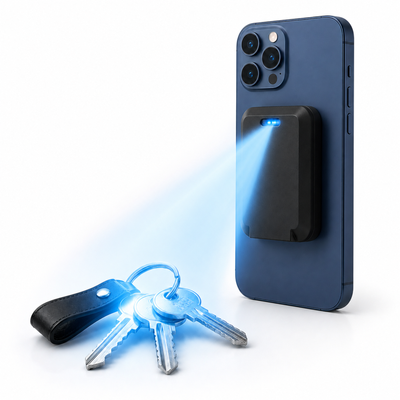
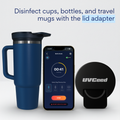
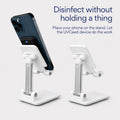
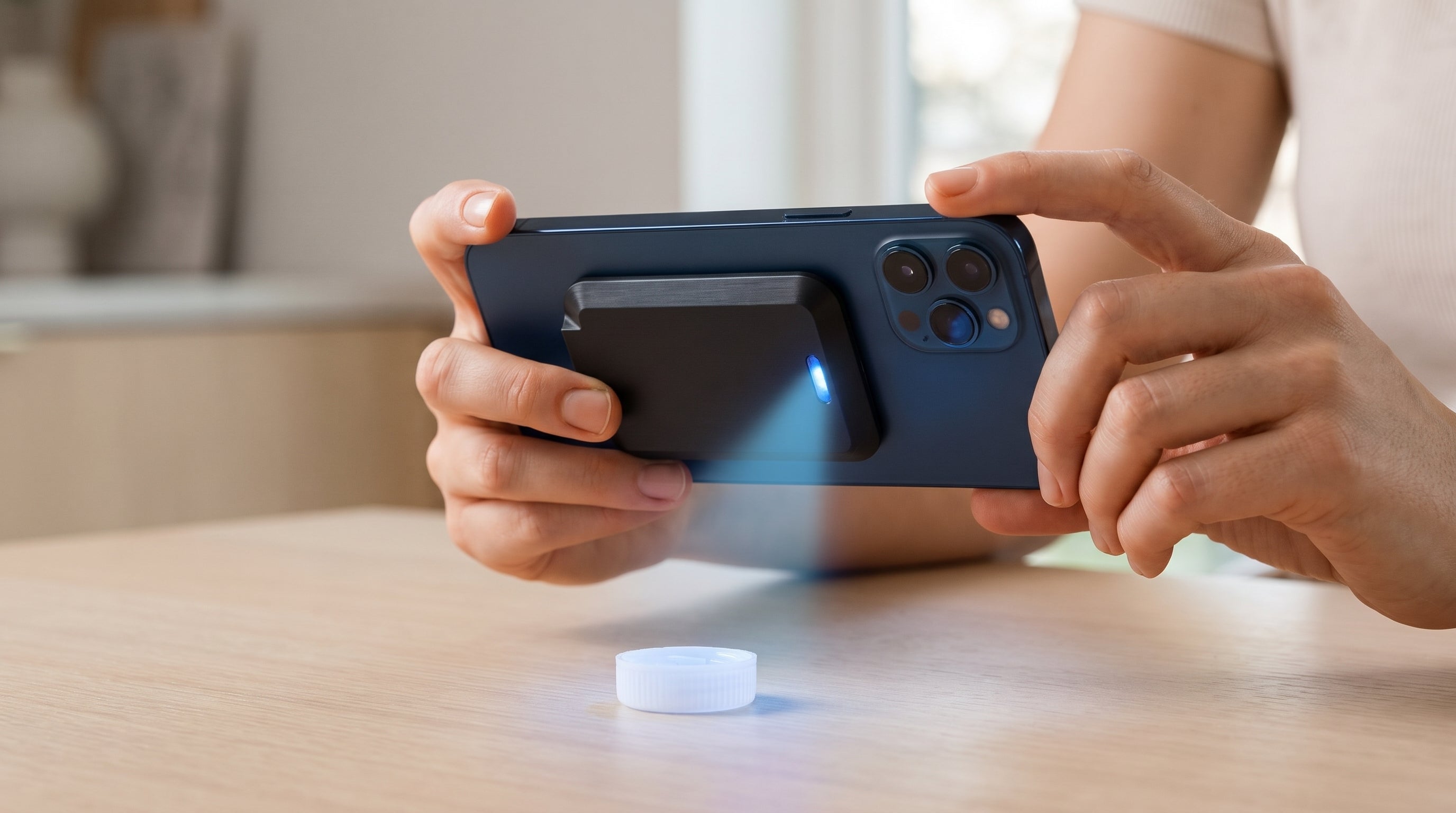
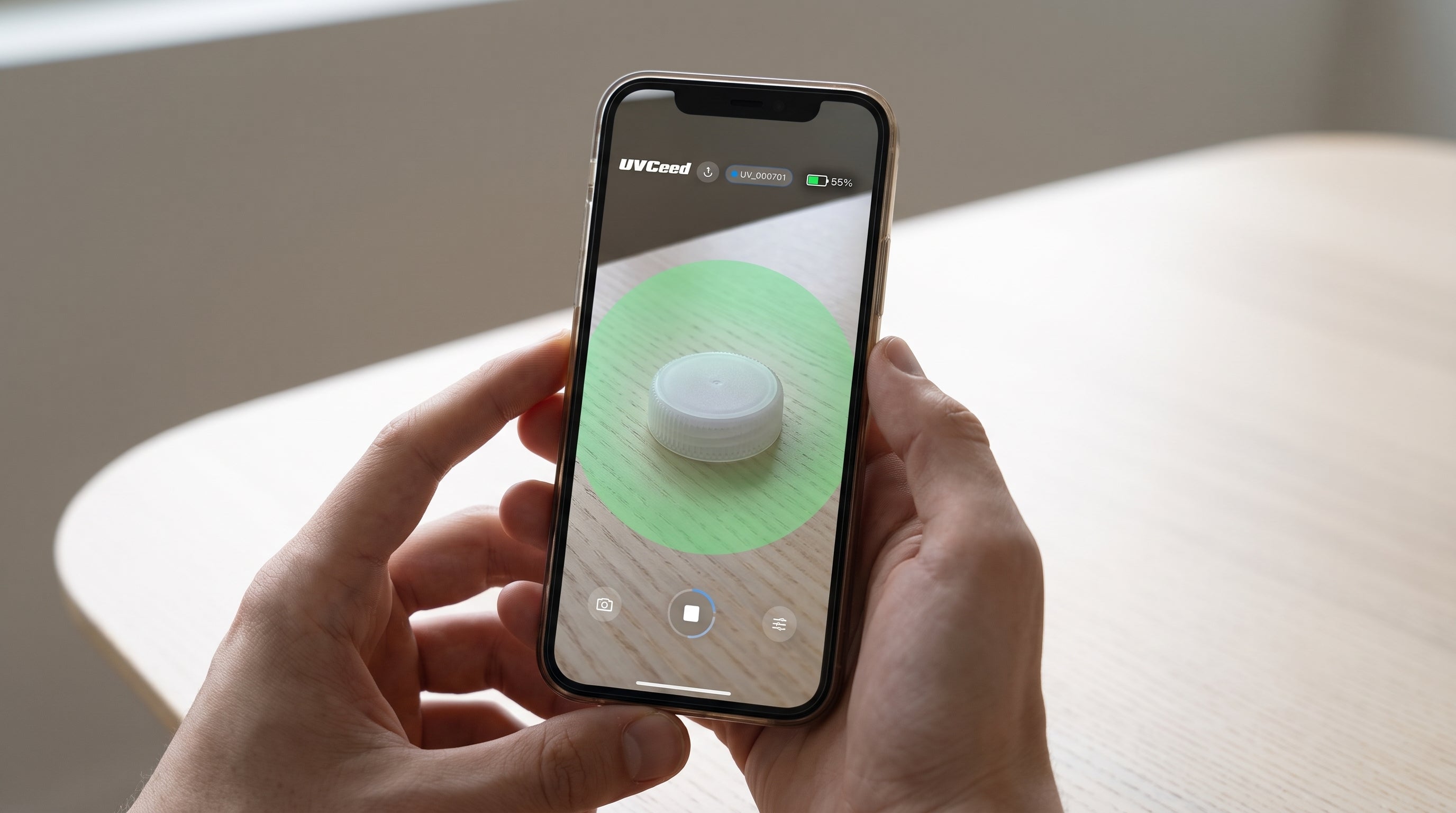
UVCeed is a UV-C disinfection device that attaches to the back of my phone with MagSafe. The app uses the phone's camera to guide the pass and show coverage on screen, so instead of scrubbing blindly, I can see what I have already covered. It uses no liquid, no spray, and no rinse, which means there is no drying time and no soapy aftertaste.
The part I like most is the feedback. With a brush, I trust that I reached the threads. With UVCeed, the screen shows me. I make a slow pass over the open cap and the mouthpiece, and as the coverage overlay fills in, I know the light actually reached that spot. It turns a step I used to skip into something I can watch happen in about half a minute.
What the lab numbers say
I am careful about claims, so I looked at the testing before I made the bottle part of my routine. UVCeed's lab results show a 99.9 percent reduction of Staphylococcus aureus in 15 seconds and a 99.99 percent reduction of E. coli in 24 seconds. Those are two of the organisms that can end up on a bottle through unwashed hands and a mouth, which is exactly the overlap I was looking for.
I keep my expectations in line where the bottle is concerned. UV-C is not a replacement for soap and water when the bottle is visibly dirty, and I still wash it properly. UVCeed is the layer I use between washes, on the threads and the cap, where a brush cannot quite reach and where I do not want to add more moisture.
A habit that stuck
The routine that actually worked is small. In the evening, I take the bottle apart and give it a real wash with soap and a brush, then leave it open to dry. In the morning, before I fill it, I give the cap and the threads a quick pass with UVCeed. That is the whole thing. It fits between filling the coffee and walking out the door, and because there is no drying step, there is nothing to skip.
I still wash my hands and I still scrub the bottle. UVCeed did not replace common sense; it filled the gap my routine had always left open. Two years of rinsing a bottle and calling it clean turned into a habit I now do without thinking, which was the whole point.
If the bottle on your desk has never had a real wash either, see the UVCeed disinfection device.
Want More Articles Like This?
Get research on UV-C treatment and product updates delivered to your inbox.