TL;DR
RSV (respiratory syncytial virus) is once again the leading cause of infant hospitalization in the United States, and the CDC expects the 2026-2027 season's peak weekly hospitalization rate to run similar to last year, though newer monoclonal antibody products are giving families a real prevention option that didn't widely exist a few years ago. For households with infants or young children heading into daycare and school this fall, this is the season to get ahead of it rather than react to it.
What actually happened
RSV is a common respiratory virus that's mild for most healthy adults but can cause severe illness in infants, young children, and older adults. According to the CDC, it remains the leading cause of hospitalization among infants in the U.S. The most recent full season showed test positivity of 6.8% across all ages and 13.3% among children 0-17, with RSV activity described as elevated and the season starting later than in prior years, per California Department of Public Health surveillance data.
The meaningful shift is on the prevention side. Two monoclonal antibody products, nirsevimab (Beyfortus) and clesrovimab (Enflonsia), are now available and have been shown to be highly effective at preventing RSV-related infant hospitalizations. The CDC's RSV surveillance data notes that within-season survey data suggests uptake of these infant immunization products is running higher than the prior year, and eligibility has also expanded for higher-risk adults, both of which could help blunt peak hospitalization rates this season compared to years before the products existed.
Why daycare and school make this worse, fast
RSV spreads through respiratory droplets and contaminated surfaces, and it can survive on hard surfaces like doorknobs, toys, and countertops for several hours. Daycares and elementary schools concentrate exactly the conditions RSV needs: young children in close contact, shared toys and surfaces, and immune systems that haven't built up broad exposure yet. A child who picks it up at daycare typically brings it home to younger siblings, where the risk of hospitalization is highest.
What to actually do this season
- Ask your pediatrician about nirsevimab (Beyfortus) or clesrovimab (Enflonsia) if you have an infant, especially one born during or entering their first RSV season.
- Wash hands and disinfect shared surfaces, toys, doorknobs, changing tables, more frequently once RSV activity is confirmed elevated in your area.
- Keep infants away from anyone with cold-like symptoms when possible, especially in the first few months of life.
- Watch for warning signs in infants: rapid or labored breathing, wheezing, poor feeding, and unusual lethargy, and seek care promptly if they appear.
Where UVCeed fits
254 nm UV-C is effective against a broad range of respiratory viruses, including RSV, on hard, non-porous surfaces with adequate contact time and direct line of sight. For a household with an infant, that makes it a practical addition to the surfaces that get touched constantly and are hard to keep on top of with wipes alone: the changing table, crib rail, high chair tray, and shared toys that don't tolerate harsh chemical cleaners well.
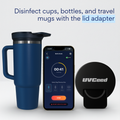
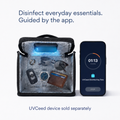
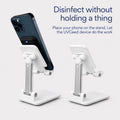
With UVCeed, you aim the device at one section, the changing table, a toy, the high chair tray, and hold it steady until the app confirms that section is complete, then move to the next section for anything larger than the coverage area. No chemical residue near a surface your infant's skin or mouth will touch next.
FAQ
Is RSV really more dangerous than a cold for infants? Yes. While RSV causes mild, cold-like symptoms in most healthy older children and adults, it remains the leading cause of hospitalization among infants in the U.S., particularly those under 6 months old.
What is nirsevimab (Beyfortus) and should my baby get it? It's a monoclonal antibody, not a vaccine, given as a single dose that's been shown highly effective at preventing severe RSV illness and hospitalization in infants. Talk to your pediatrician about eligibility and timing.
How long does RSV survive on surfaces? RSV can survive on hard surfaces like doorknobs, countertops, and toys for several hours, which is part of why surface hygiene matters alongside handwashing in households with infants.
Can UV-C be used on baby toys? 254 nm UV-C is effective on hard, non-porous surfaces with direct line of sight, making it suitable for many plastic and hard toys, though it won't reach into deep crevices or porous fabric toys the same way.
When does RSV season typically peak? Recent seasons have started later than historical norms and stayed elevated into winter, with the CDC tracking weekly hospitalization data throughout the season via RSV-NET.
Want More Articles Like This?
Get research on UV-C treatment and product updates delivered to your inbox.